Showing posts with label Resources. Show all posts

Sunday, October 6, 2013

New Requirement: Submit SAMHSA Grant Applications Electronically

New Requirement: Submit SAMHSA Grant Applications Electronically
SAMHSA will not accept paper applications except when a waiver of this requirement is approved by SAMHSA.
Beginning in fiscal year (FY) 2013, SAMHSA discretionary grant applications, including new and continuation, must be submitted electronically through Grants.gov.
SAMHSA strongly encourages any organization intending to apply to a SAMHSA program to register now with Grants.gov. Registration is a one-time process, which is required before representatives of an organization can submit grant application packages electronically through Grants.gov.
The Organization Registration Checklist [PDF – 357 KB] provides registration guidance for a company; institution; state, local, or tribal government; or other types of organizations submitting for the first time through Grants.gov. Registration takes approximately 3–5 business days; however, Grants.gov recommends that applicants allow 4 weeks for completion of all steps in the registration process.
Any questions may be directed to the Division of Grant Review at 240-276-1199.
Request a Waiver
Individual applicants may request a waiver of electronic submission, for instance, if they do not have the technological means or if their physical location receives poor-quality or intermittent connection to the Internet. More information about a waiver and the process to apply will be forthcoming on the SAMHSA website in November and also in each Funding Announcement.


Barbie's Beauty Bits: The Many Uses For Salt


Did you know you could use Salt to Remove Grit from an IRON?


For more details on what you could do with salt, visit Barbie's beauty bits

http://barbiesbeautybitsblogger.blogspot.com/2012/11/normal-0-false-false-false-en-us-x-none_7385.html?m=1

Friday, December 7, 2012

Do you have Lead in your apartment?


If you have lead in your apartment, this is something that you need to get fixed right away. Do not delay.

Lead could lead to major health complications.

Want to learn more about lead, visit The USA Environmental Protection Agency

Here are additional links from EPA:

Learn about lead
Where it is found
How you can be exposed
Lower your chances of exposure to lead
Health effects
Enforcing laws and regulations
Protecting children and adults from lead poisoning
Addressing lead at Superfund sites
Contractors must be lead-safe certified
It's easy to get your child tested
You can make your home lead-safe
Landlords and property sellers must disclose information on lead-based paint hazards
Lead can enter your drinking water through your pipes
Parents and families
Hire a lead safe certified firm
Lead Free Kids Campaign
Pregnant women and nursing mothers
Do-it-yourselfers

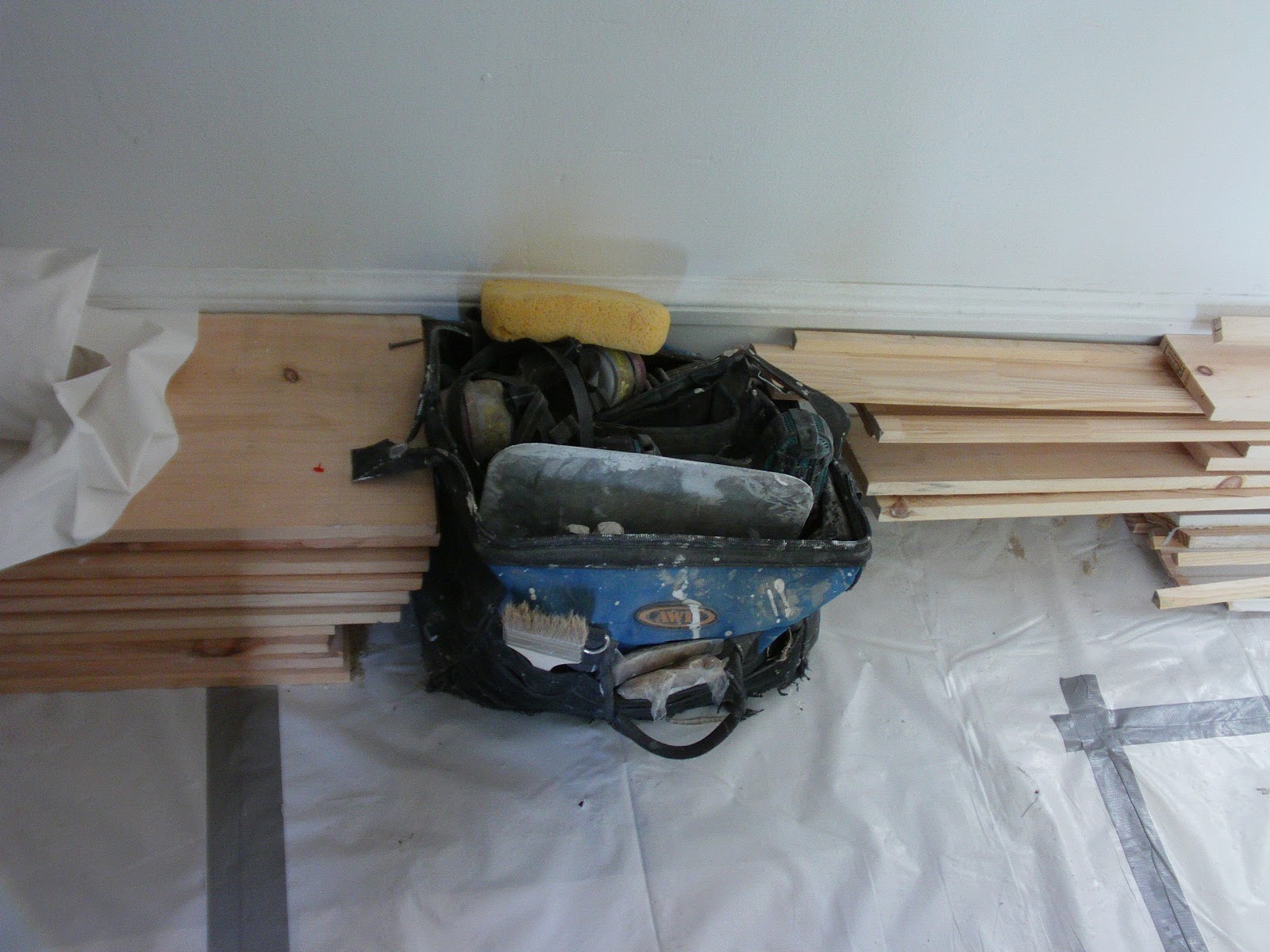
The below pictures are actual ones from my mom's building. The inside of the apartment also had lead. 


We then had further issues with the landlord because the contractor they were using did not properly secure the premise of their tools. 


Thursday, November 22, 2012

Do you have Lead in your apartment?


If you have lead in your apartment, this is something that you need to get fixed right away. Do not delay.

Lead could lead to major health complications.

Want to learn more about lead, visit The USA Environmental Protection Agency

Here are additional links from EPA:

Learn about lead
Where it is found
How you can be exposed
Lower your chances of exposure to lead
Health effects
Enforcing laws and regulations
Protecting children and adults from lead poisoning
Addressing lead at Superfund sites
Contractors must be lead-safe certified
It's easy to get your child tested
You can make your home lead-safe
Landlords and property sellers must disclose information on lead-based paint hazards
Lead can enter your drinking water through your pipes
Parents and families
Hire a lead safe certified firm
Lead Free Kids Campaign
Pregnant women and nursing mothers
Do-it-yourselfers

The below pictures are actual ones from my mom's building. The inside of the apartment also had lead. 


We then had further issues with the landlord because the contractor they were using did not properly secure the premise of their tools. 


Thursday, November 8, 2012

Reminder: Expires today: 5 FREE Pampers Gifts to Grow points


Enter rewards code: TWIT1112PRT9W12 to earn 5 FREE Pampers Gifts to Grow points.

Exp 11/08.

Tuesday, October 30, 2012

New York's Top 100 Events 2012

Great article for best events 2012 in NYC


New York's Top 100 Events 2012

Here are some honorable mentioned?


Parades, Festivals & Holiday Events

Village Halloween Parade featured 53 bands, hundreds of giant puppets, and nearly two million costumed marchers for this 39th annual event. October 31.

Macy’s Thanksgiving Day Parade took off for the 85th time in 2011, with more than 3.5 million spectators, along with another 50 million television viewers. November 22.

New Year’s Eve in Times Square brings one million revelers to Times Square each year, plus live broadcasts on ABC and MTV. December 31.

Rockefeller Center Tree Lighting kicked off the 2011 holiday season with live performances from Katherine McPhee and Cee Lo Green. November.

New York State Camping: Fees & Rates: Things you should know


The below information is from http://nysparks.com

NY State Camping Guide


Click Here for PDF files: Fees & Rates

Things you should know:

The Office of Parks, Recreation & Historic Preservation (OPRHP) operates camping areas in New York's state parks. Through the New York State Camping Reservation System, you may reserve space which will guarantee accommodations at any state camping area. Internet reservations can be made at newyorkstateparks.reserveamerica.com and phone reservations can be made by calling 1-800-456-CAMP (TTY:1-800-304-1265). While reservations are not required, they are highly recommended. You can also rent any available campsite, cabin or cottage as a "walkup" on a first-come, first-serve basis when you arrive ready to camp. Services, programs and facilities vary among campgrounds. Contact the park for current schedules.

Things you should know before you leave...

  • An adult, at least 18 years of age, (or 21) must be the permit holder and occupy the site for the full permit period.
  • Sites allow for no more than 6 people per site and 2 vehicles. A valid camping permit must be visible on all vehicles.
  • Check-in is at 3pm and check-out is by 11am. Occupants must register when they arrive.
  • Each site allows for either two (2) tents OR one (1) unit of hard wheeled camping equipment + one (1) tent.
  • If your campground allows pets please be respectful. Only 2 pets per site are permitted. Your pet must be kept on a leash at all times and the leash can be no longer than 6ft. Don't leave pets unattended and always pick up after them. Rabies certificate is required.
  • Firewood – Help protect our campgrounds and stop the spread of tree pests. If you bring firewood, burn all of it before leaving your campsite or purchase your wood at the campground or local sources. For more information;http://www.dec.ny.gov/animals/7253.html and http://www.dec.ny.gov/animals/28722.html.
  • Alcoholic Beverages - While alcoholic beverages are allowed in most NYS campgrounds without a permit, it is the responsibility of each camping party to comply with all laws and regulations. Stony Brook State ParkWildwood State Park and Beaver Pond Campground restrict the use of alcohol and require a permit.
  • Upon discovering that a campsite or cabin occupant is a registered Level 2 or Level 3 sex offender, the Office is authorized to direct the occupant to leave the campground and may revoke the camping permit.

Things you should know when you get there...

  • Please do not injure the trees. No nails, screws, ropes or lines are permitted to be tied or inserted into trees, shrubs or other structures.
  • Quiet Hours: Your group must be quiet enough not to disturb your closest neighbor from 10 pm to 7am.
  • Generator Hours are 9am to 11am and 5pm to 9pm. If the use of a generator is deemed unreasonably loud by the facility staff, an individual's use of the generator may be limited and/or prohibited.
  • Fires must be contained in designated areas and always supervised by an adult.
  • Wash dishes at your campsite or in designated areas only. Dispose of gray water in designated areas. Water fountains are for drinking only.
  • Please keep the campground clean by keeping your campsite clean! Picnic tables and receptacle (if provided) must remain on site where you find them. Rubbish must be placed in trash bags and placed in proper receptacles. Excessive trash on campsites/cabins may result in fees charged to the permit holder.
  • Help keep the campground safe for everyone. Report any accidents/incidents immediately to park staff.
Please keep in mind that each campground may have its own specific rules in addition to the above.

Cancellations

To cancel a reservation 2 days or more prior to your scheduled arrival, contact Reserve America's Customer Service at 1-800-456-2267. Internet reservations may also be cancelled on-line at newyorkstateparks.reserveamerica.com. To cancel a reservation within 1 day of your arrival you must call the campground.
If you cancel your reservation you will be assessed fees. It's important to know the closer to your arrival date you cancel, the less money you will receive back as a refund.
  • Cancelling 8 days or more prior to arrival. Fees retained are: Reservation fee $9.00 + Cancellation Fee $9.00
  • Cancelling 7 days or less prior to arrival. Fees retained are: Reservation fee $9.00 + Cancellation Fee $9.00 + the cost of the first nights stay (this amount varies based on the cost of your site).

Changes or Transfers

  • Changes can be made from 9 months to 1 day prior to first day of arrival. Any modification to an existing reservation prior to arrival is subject to a $9 change fee.

No Show

  • All fees are retained if you fail to arrive and do not inform the park of a cancellation in advance.

No-Fault Insurance New York


No-Fault Insurance New York


What is no-fault and what does it cover?No-fault is coverage under the automobile insurance policy of the New York vehicle you occupy at the time of an accident. You may also be eligible for this coverage if you are a pedestrian hit by a vehicle. This coverage is designed to pay for your lost wages, medical bills and other medically-necessary expenses. This means that your doctor must put everything in writing. It is called no-fault insurance, because it is available regardless of who caused the accident. 

Deadline InfoThe applicable no-fault carrier must be placed on written notice within 30 days of an accident. In most cases, there are no exceptions. This means that you must submit an Application for No-Fault benefits within 30 days of an accident, in order to be able to make a claim for past and future lost wages, medical bills and other medically-necessary expenses. In limited instances, this time frame may be extended. Please contact us to discuss the specifics of your case to determine if you may qualify for an extension of time. 

Amount of CoverageEach insured automobile carries a minimum of $50,000.00 in no-fault coverage for each occupant of the vehicle. Monthly wage loss is paid at 80% of your gross wages, up to a maximum of $2,000.00 per month – from all sources – unless you elect a special rider on your policy to extend to a higher monthly lost wage. Wages are reduced by 20% to simulate taxes – this means that no-fault payments are not taxable. Medical supplies such as wheelchair or crutch rental, mileage to and from your doctors, as well as payment for any household chores your doctor writes that you cannot perform, may be reimbursed as well. The $50,000.00 includes payments from all sources, including New York State Disability.

Who is not covered?In most cases, the following people would not be eligible for no-fault coverage:
  • Motorcycle drivers.
  • Motorcycle passengers.
  • If you are in your own uninsured vehicle, there is no coverage for you.
  • If you occupy your spouse’s uninsured vehicle, there is no coverage for you.
  • Non-New York residents may not be eligible for coverage. Ask us to help you determine if you qualify.
What if you occupy someone else’s uninsured vehicle?If the vehicle you are in is uninsured, and you do not reside in the same household as that person, you may be eligible to make a claim for no-fault benefits from your own automobile insurance policy, or the automobile policy of a relative you live with. If you do not have your own automobile insurance in your household, you could be eligible to make a claim for no-fault benefits from the  Motor Vehicle Accident Indemnification Corporation. Proof of no insurance, and proof that you do not live with someone who has automobile insurance, is required. The same or similar deadlines apply to these types of alternate coverage. Ask us to assist you with the application and proof process.
Do I need a referral to see a doctor?In most cases, no. Under no-fault, you do not need a referral to see a specialist such as a neurologist, orthopedist, acupuncturist or chiropractor. Therefore, if you do not have a primary care physician, you can usually still see a specialist without a referral. You do need a referral for diagnostic tests such as x-rays, MRI and CAT scans, as well as physical therapy.
Am I covered if I am in a rental vehicle?In most cases, yes. You would be eligible for no-fault coverage available through the rented vehicle, and still have the ability to use any "extra" coverage you may have paid for on your own automobile insurance policy. We can assist you in determining what coverage applies to your specific situation.
Am I covered for accidents outside of New York State?If you are a New York State resident, and you own an automobile covered by insurance, then you are most likely covered by no-fault for accidents occurring in the continental U.S. and Canada.
What types of "extra" no-fault coverage are there?Ask your insurance agent for information concerning Optional Basic Economic Loss (OBEL) coverage,Additional Personal Injury Protection (APIP) coverage, and medical payments coverage. Oftentimes these types of additional coverage are available for a very small cost. They would extend your coverage beyond the basic $50,000.00. If you want to know what those types of coverage can do for you, ask us for more information.
Is there a deadline for submitting medical bills for payment?Yes. Medical bills must be submitted to the no-fault carrier within 45 days of the date of treatment. Therefore, it is imperative that you give your medical providers the no-fault information as soon as possible. Any treatment that is denied payment because of the 45 day rule, could result in your becoming personally responsible for the payment of that bill. Never assume that the bill is being taken care of. Be certain to submit all bills, including duplicates, immediately upon receipt.
Is there an expiration date for medical treatment?Essentially, no. There is no law that says your benefits expire after "x" days/weeks/years. As long as your medical providers have indicated you will need treatment beyond the first year from the date of the accident, then No-fault will continue to pay for your medical treatment and prescriptions until the dollar amount is completely used up. However, no-fault could send you to an "independent" medical doctor to have your medical status and treatment verified. If a no-fault doctor examines you and determines you do not need that type of treatment, you could be denied benefits based on a lack of medical necessity. It is your treating medical provider's obligation to justify the need for the treatment you are receiving, and that it is directly connected to your automobile accident.
What if no-fault denies payment?There are various options available to you and/or your medical providers if no-fault denies payment for specific treatment, medical testing, or even for a particular specialist. There are various avenues available to contest or refute a denial. Some options should not be taken right away, as they could put you "on the hook" for payment of the bill yourself. Contact us to discuss your no-fault denial options.

Slip and Fall Lawyer New York


Slip and Fall Lawyer New York

General Information
There are several types of slip and fall accidents including slippery surface falls, stairway accidents, fall from a terrace or balcony, parking ramp falls, sidewalk falls and bathtub and shower falls, to name a few.
A property owner has an obligation to keep their property in a safe condition for those invited onto the property. If it can be proven that a property owner was negligent and knew or should have known about the dangerous or defective condition that caused a slip and fall, you may be compensated for your injuries.
Every slip and fall accident is unique so, it is to your benefit to hire an experienced slip and fall attorney.
Fall on Ice and Snow
Property owners have an obligation to make sure their property, including parking lots and sidewalks, are maintained and that all snow and ice is removed to avoid possible safety hazards.
Property owners are allowed a "reasonable" amount of time to remove the snow and ice. For example, if you fall on a snowy sidewalk in the middle of a snowstorm, the property owner may not be held liable since the storm was in progress.
If conditions on the property cause an unnatural build up of ice or snow, the property owner may be liable for your slip and fall accident. For example:
  • If ice accumulated on the roof, then melts and drips off because of a clogged drain, then refreezes on the ground; or
  • If the parking lot causes melting ice to form puddles, and then refreezes into ice patches.
In addition, if a property owner provides snow or ice removal, they must stay on top of it and provide regular maintenance.
What is Reasonable?
Did the property owner use their common sense? Was there something the property owner "should have known" was dangerous? Did the property owner use reasonable care to keep the property safe? A judge and jury will certainly take the answers to these questions into consideration.
If the property owner is careful in their efforts to keep the property safe and clean, they most likely have shown "reasonable" care. Here are some initial questions you can ask yourself to help determine if a property or business owner may be liable for your injuries:
  • Did you trip over a broken, or uneven area of carpet or floor or did you slip on a wet area? If so, was the dangerous condition in place long enough so the owner "should have known" about it? Has any accident happened there before?
  • Is there a schedule in place for regular maintenance and cleaning or repairing of the premises? If so, what proof does the owner have of this regular maintenance?
  • If you tripped over or slipped on an object someone placed or left on the ground, was there a good reason for the object to be there? If there was a good reason for the object to be there, but that reason no longer existed, could the object have been removed or covered or otherwise made safe?
  • Was there a safer place the object could have been located?
  • Could a barrier have been created to warn people of a potential danger?
  • Did poor or broken lighting contribute to the accident?
Gathering Evidence
When possible, we recommend the following:
  • Photos. Take photographs of the scene of the accident, your clothing and shoes and any bruising, cuts, scrapes or required stitches or casts to document your injury.
  • Witnesses. If someone witnesses your fall, try to get their name, address and telephone number.
  • Accident Report. If you suffer injuries in a store, whether a department store or grocery store, make sure you file an accident report. You can do this by asking for the manager. They will then document your version of the accident. This will prove to be valuable in representing you for your injuries. Unless you are unable, make sure you obtain a copy of the accident report before you leave.
  • Evidence. We recommend you save the item that caused your fall. For example, if you slipped on a piece of fruit or a vegetable, place the item in a plastic bag and freeze it. You may also want to safeguard the shoes you were wearing at the time of the fall. These can be placed in a plastic bag and taped shut to preserve any matter stuck to your shoe.
If you are unable to take photographs or obtain any statements, an attorney at Cellino & Barnes will obtain as much information as possible. However, please keep in mind, obtaining information hours, days, weeks or even months after an accident scene has been cleaned up or your injuries have healed is much more difficult. Although your medical records will document your injuries, photographs and statements will prove valuable before a jury.
Fall Down Stairs
As slip and fall attorneys, we have many accident cases, which have occurred as a result of defective or broken stairs.
Property owners have the responsibility to make sure all steps have the same rise and depth, with visible edges. Also, stairs must be kept free of debris or other obstacles, which could cause an accident.
A property owner is also responsible for making sure all stairwells are well lit, with sturdy handrails on both sides.
We all have a responsibility to be careful and watch where we are going, however, a property owner needs to show reasonable care.
Who is Liable?
For a property owner to be held legally liable (or responsible) for your injuries, one of the following must be true:
  • The owner of the premises (or an employee) must have caused a spill or other dangerous condition.
  • The owner of the premises (or an employee) must have known of the dangerous condition and failed to correct it properly.
  • The owner of the premises (or an employee) "should have known" a dangerous condition was pres

Want to become a Mentor in NYC?


Want to become a Mentor in NYC?
Free Stock Photo: Illustration of a blank note pad
Here are some organization that you could participate in:

Big Brothers Big Sisters of New York City (BBBS)

BBBS’ mission is to provide mentors to children who need a caring adult role model. BBBS works to increase the number of professionally supervised, long-term, one-to-one mentoring relationships in NYC. For one hundred years, BBBS has been pairing adult volunteers from the community-at-large with young people aged 7 to 18 who have been referred for mentoring services. In addition, the corporate workplace program BBBS matches high school youth with pairs of adults for mentoring that takes place in the workplace. The organization also provides technical assistance to hundreds of organizations to implement quality mentoring programs. BBBS serves hundreds of foster care youth and families from the five boroughs. The time commitment is only four hours every other week for one year. Mentoring pairs arrange their time and activities at mutually convenient times and locations. To learn more, or to apply to be a mentor, call 212.686.2042 or visit www.bigsnyc.org

Mentoring Partnership of New York (MPNY)

MPNY is an advocate for the expansion of quality mentoring opportunities for New York City youth and a resource for mentors and mentoring initiatives city-wide. MPNY helps individuals and groups from different sectors become involved in mentoring opportunities for youth. The Mentoring Partnership has a membership base of over 130 diverse program partners, serving youth ages 5 to 21 from a variety of populations across NYC, including youth with special needs and youth in foster care. To learn more, contact the Mentoring Partnership of New York at 1-800-83-YOUTH or visit www.mentoring.org/ny

Mentoring USA (MUSA)

Founded by Matilda Raffa Cuomo in 1995, MUSA trains and supports mentors at schools, community centers and foster care agencies. MUSA has five programs - General, English as a Second Language, Heroic Choices, Foster Care and Adoption Mentoring(“Adoptment”). All help children aged 5 to 21 improve their self-esteem, broaden their vision of opportunities and succeed in school. The Foster Care program establishes consistent, caring adult relationships for youth in care, assisting youth in developing coping and problem-solving skills, to nurture competence and resilience, strengthen relationships with adults, encourage development of aspirations and goals, reduce harmful risk-taking behavior, and introduce them to enjoyable opportunities and experiences. The “Adoptment” program is designed to enrich the lives of young adoptees and/or prospective adoptees by offering a connection with adopted adults or adults who have been part of the foster care system. All programs provide one-on-one matches meeting under site-based supervision. To learn more, or to apply to be a mentor, call 212-400-8277 or visit www.mentoringusa.org


Data Source

Slip and Fall Lawyer New York


Slip and Fall Lawyer New York

General Information
There are several types of slip and fall accidents including slippery surface falls, stairway accidents, fall from a terrace or balcony, parking ramp falls, sidewalk falls and bathtub and shower falls, to name a few.
A property owner has an obligation to keep their property in a safe condition for those invited onto the property. If it can be proven that a property owner was negligent and knew or should have known about the dangerous or defective condition that caused a slip and fall, you may be compensated for your injuries.
Every slip and fall accident is unique so, it is to your benefit to hire an experienced slip and fall attorney.
Fall on Ice and Snow
Property owners have an obligation to make sure their property, including parking lots and sidewalks, are maintained and that all snow and ice is removed to avoid possible safety hazards.
Property owners are allowed a "reasonable" amount of time to remove the snow and ice. For example, if you fall on a snowy sidewalk in the middle of a snowstorm, the property owner may not be held liable since the storm was in progress.
If conditions on the property cause an unnatural build up of ice or snow, the property owner may be liable for your slip and fall accident. For example:
  • If ice accumulated on the roof, then melts and drips off because of a clogged drain, then refreezes on the ground; or
  • If the parking lot causes melting ice to form puddles, and then refreezes into ice patches.
In addition, if a property owner provides snow or ice removal, they must stay on top of it and provide regular maintenance.
What is Reasonable?
Did the property owner use their common sense? Was there something the property owner "should have known" was dangerous? Did the property owner use reasonable care to keep the property safe? A judge and jury will certainly take the answers to these questions into consideration.
If the property owner is careful in their efforts to keep the property safe and clean, they most likely have shown "reasonable" care. Here are some initial questions you can ask yourself to help determine if a property or business owner may be liable for your injuries:
  • Did you trip over a broken, or uneven area of carpet or floor or did you slip on a wet area? If so, was the dangerous condition in place long enough so the owner "should have known" about it? Has any accident happened there before?
  • Is there a schedule in place for regular maintenance and cleaning or repairing of the premises? If so, what proof does the owner have of this regular maintenance?
  • If you tripped over or slipped on an object someone placed or left on the ground, was there a good reason for the object to be there? If there was a good reason for the object to be there, but that reason no longer existed, could the object have been removed or covered or otherwise made safe?
  • Was there a safer place the object could have been located?
  • Could a barrier have been created to warn people of a potential danger?
  • Did poor or broken lighting contribute to the accident?
Gathering Evidence
When possible, we recommend the following:
  • Photos. Take photographs of the scene of the accident, your clothing and shoes and any bruising, cuts, scrapes or required stitches or casts to document your injury.
  • Witnesses. If someone witnesses your fall, try to get their name, address and telephone number.
  • Accident Report. If you suffer injuries in a store, whether a department store or grocery store, make sure you file an accident report. You can do this by asking for the manager. They will then document your version of the accident. This will prove to be valuable in representing you for your injuries. Unless you are unable, make sure you obtain a copy of the accident report before you leave.
  • Evidence. We recommend you save the item that caused your fall. For example, if you slipped on a piece of fruit or a vegetable, place the item in a plastic bag and freeze it. You may also want to safeguard the shoes you were wearing at the time of the fall. These can be placed in a plastic bag and taped shut to preserve any matter stuck to your shoe.
If you are unable to take photographs or obtain any statements, an attorney at Cellino & Barnes will obtain as much information as possible. However, please keep in mind, obtaining information hours, days, weeks or even months after an accident scene has been cleaned up or your injuries have healed is much more difficult. Although your medical records will document your injuries, photographs and statements will prove valuable before a jury.
Fall Down Stairs
As slip and fall attorneys, we have many accident cases, which have occurred as a result of defective or broken stairs.
Property owners have the responsibility to make sure all steps have the same rise and depth, with visible edges. Also, stairs must be kept free of debris or other obstacles, which could cause an accident.
A property owner is also responsible for making sure all stairwells are well lit, with sturdy handrails on both sides.
We all have a responsibility to be careful and watch where we are going, however, a property owner needs to show reasonable care.
Who is Liable?
For a property owner to be held legally liable (or responsible) for your injuries, one of the following must be true:
  • The owner of the premises (or an employee) must have caused a spill or other dangerous condition.
  • The owner of the premises (or an employee) must have known of the dangerous condition and failed to correct it properly.
  • The owner of the premises (or an employee) "should have known" a dangerous condition was pres